Project Alta: Utah’s Advanced Air Mobility Solution
THE VISION
To create an ecosystem that is safe, secure, and economically viable. Institutionalized as a transportation solution prior to and beyond the Utah 2034 Olympic and Paralympic Games.

GOING VERTICAL
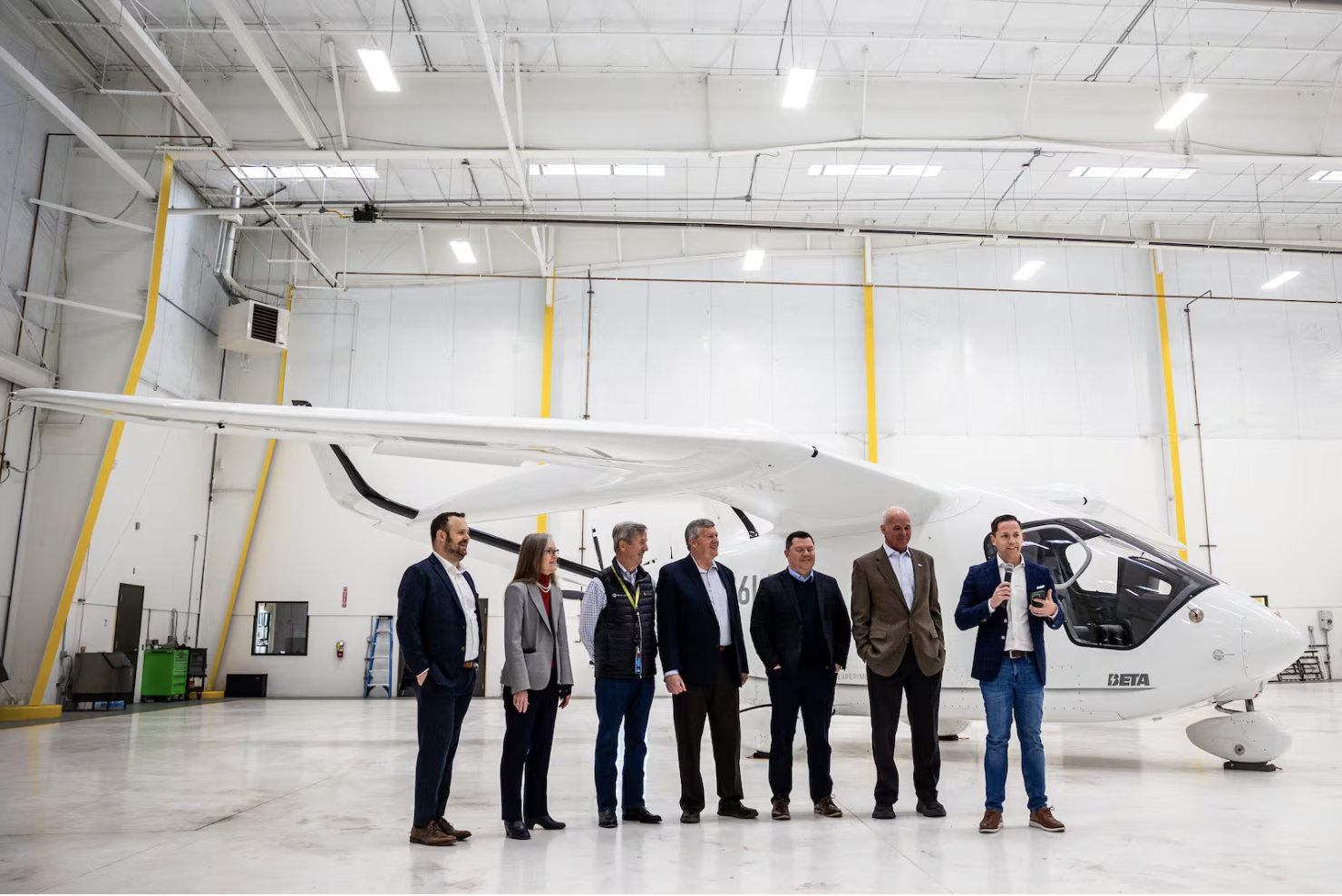
On May 30, 2024, Governor Spencer Cox stood outside Hexcel’s research center in West Valley City and gave Utah a new mandate: build the nation’s next air transportation network.
Project Alta (short for Air Logistics Transportation Alliance) was born that day, with 47G named to lead the state’s advanced air mobility strategy.
As the Governor put it: “We can’t keep widening, but we can start going vertical. And that’s exactly what we’re going to do.”
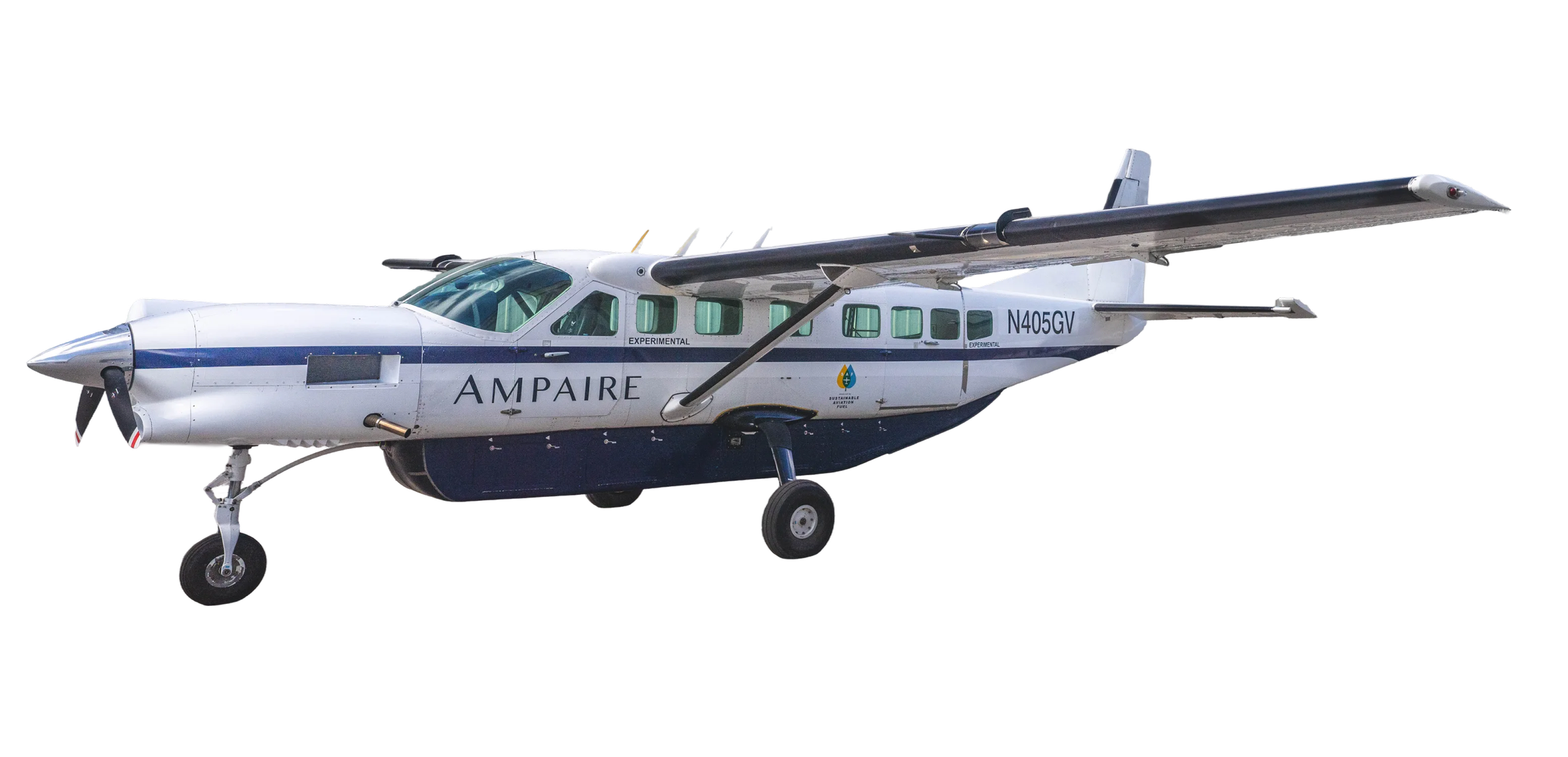
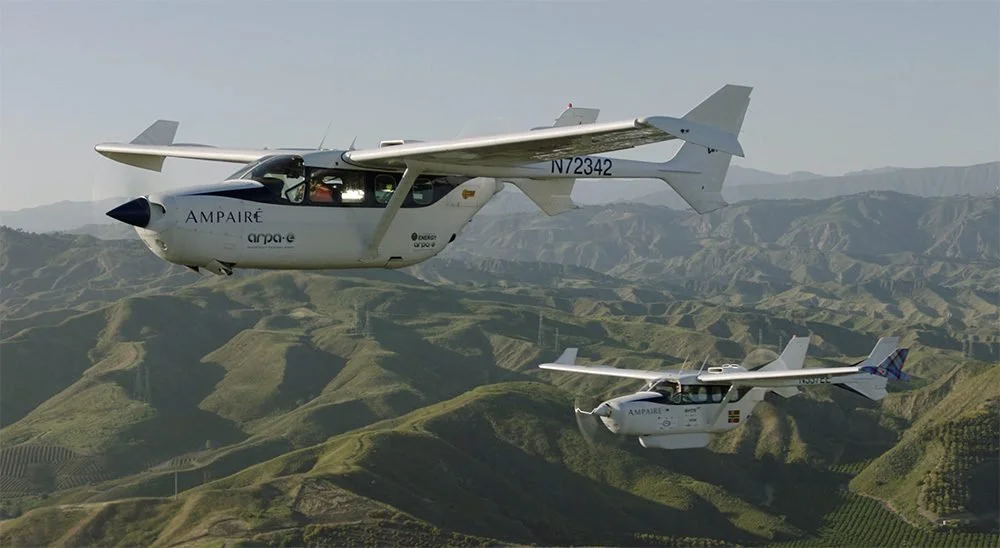
Ampaire Eco Caravan (hybrid-electric)
A standard Cessna Caravan (used for commuter and cargo routes) retrofitted with a battery-assisted powertrain, so every flight runs on electric power instead of fuel. Cuts fuel burn and emissions while keeping the same airframe pilots and airports are familiar with.
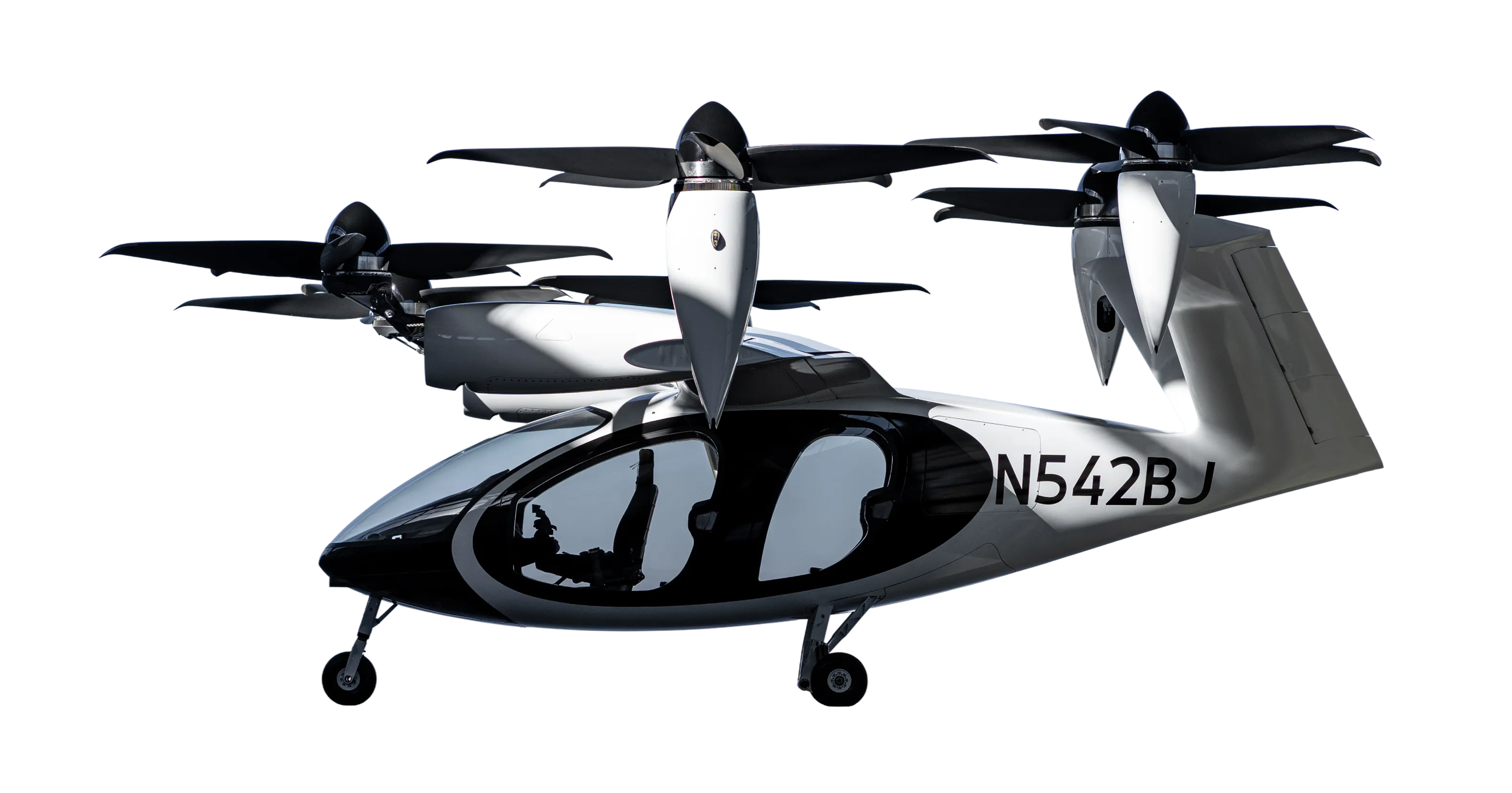
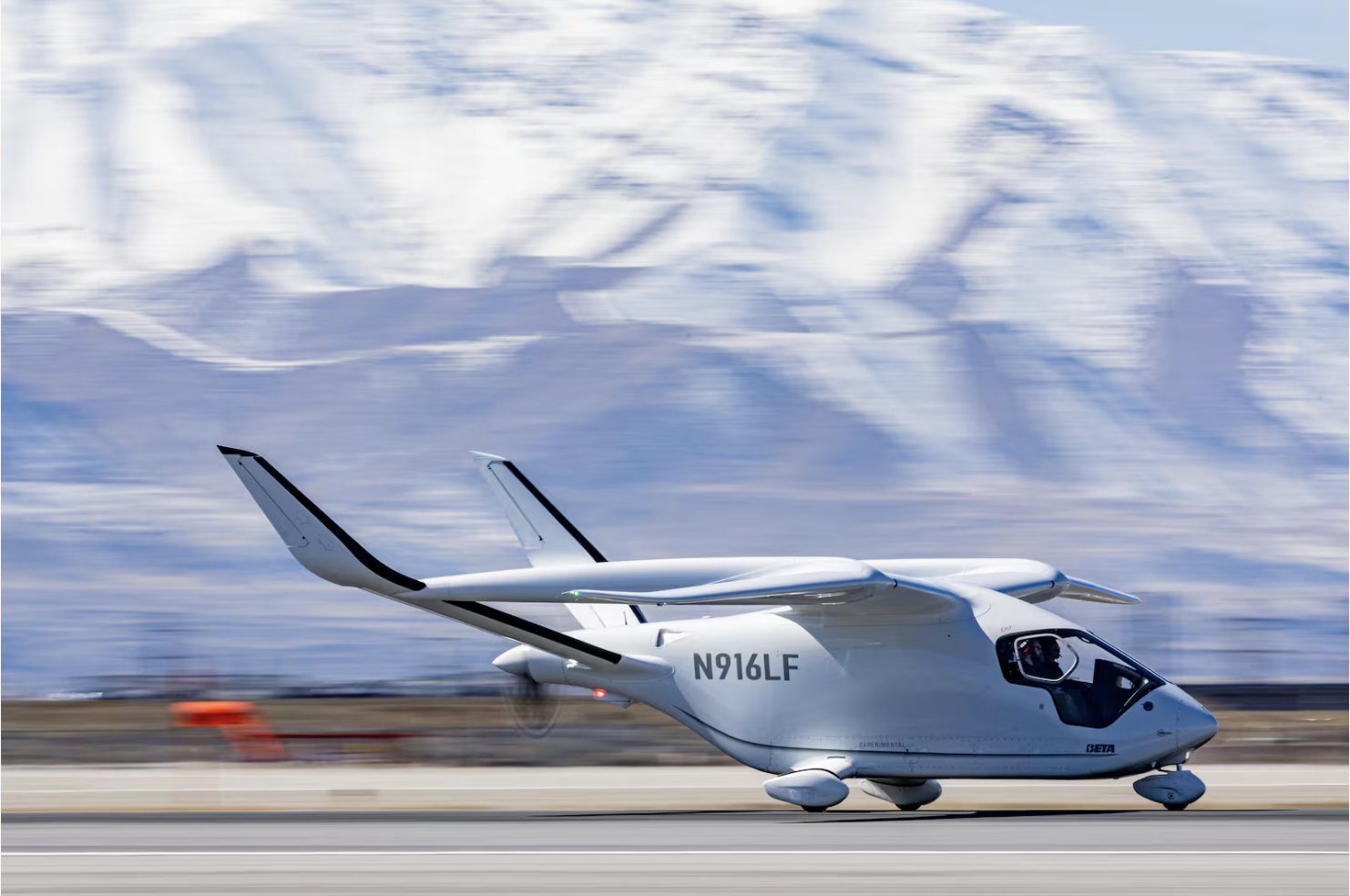
Joby S4 (eVTOL)
No forward propeller, no runway required. Six tilting rotors let it lift straight up like a helicopter, then rotate forward for quiet, efficient cruise flight.
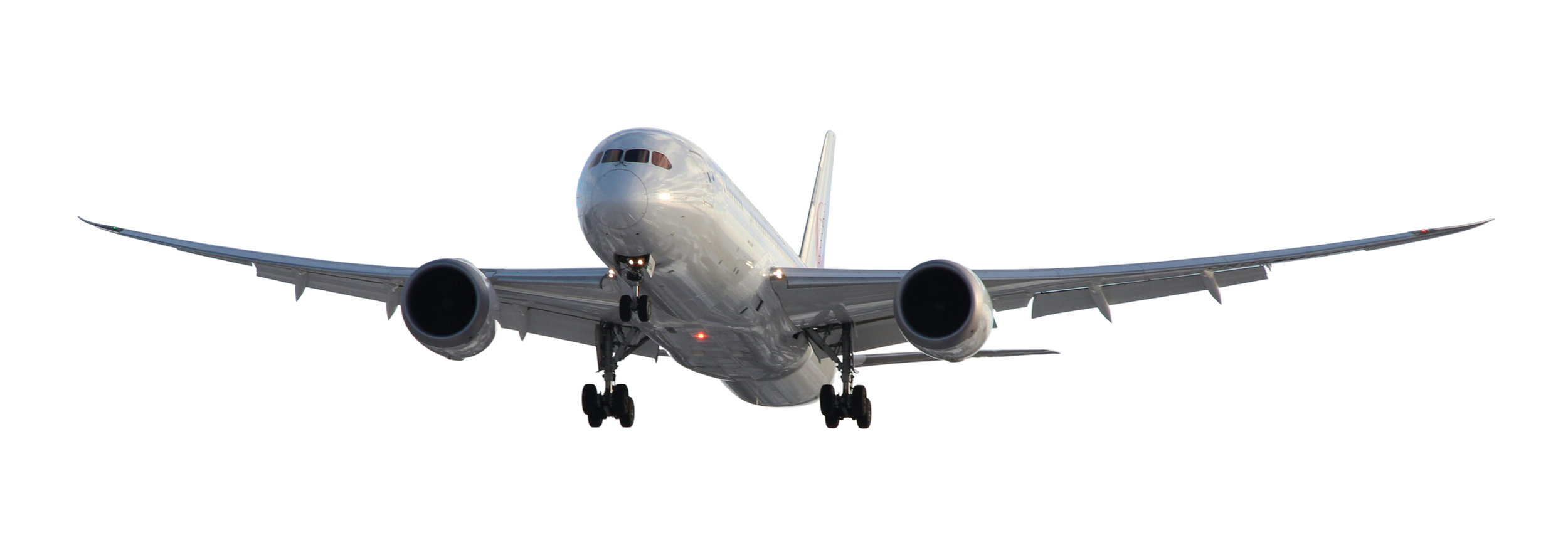
Commercial Widebody Jet (today’s standard)
The aircraft most people already fly on. Twin jet engines, a fixed wing, and a full runway on each end of the trip. Proven, scaled, but tied to jet fuel and long paved infrastructure.

0
New airports required
1/100
Sound output compared to a helicopter (comparable to the hum of a refrigerator)
0
Carbon output, combustion, and emissions
$17
Hourly costs compared to the standard ~$700/hr
Project Alta Proposed Timeline
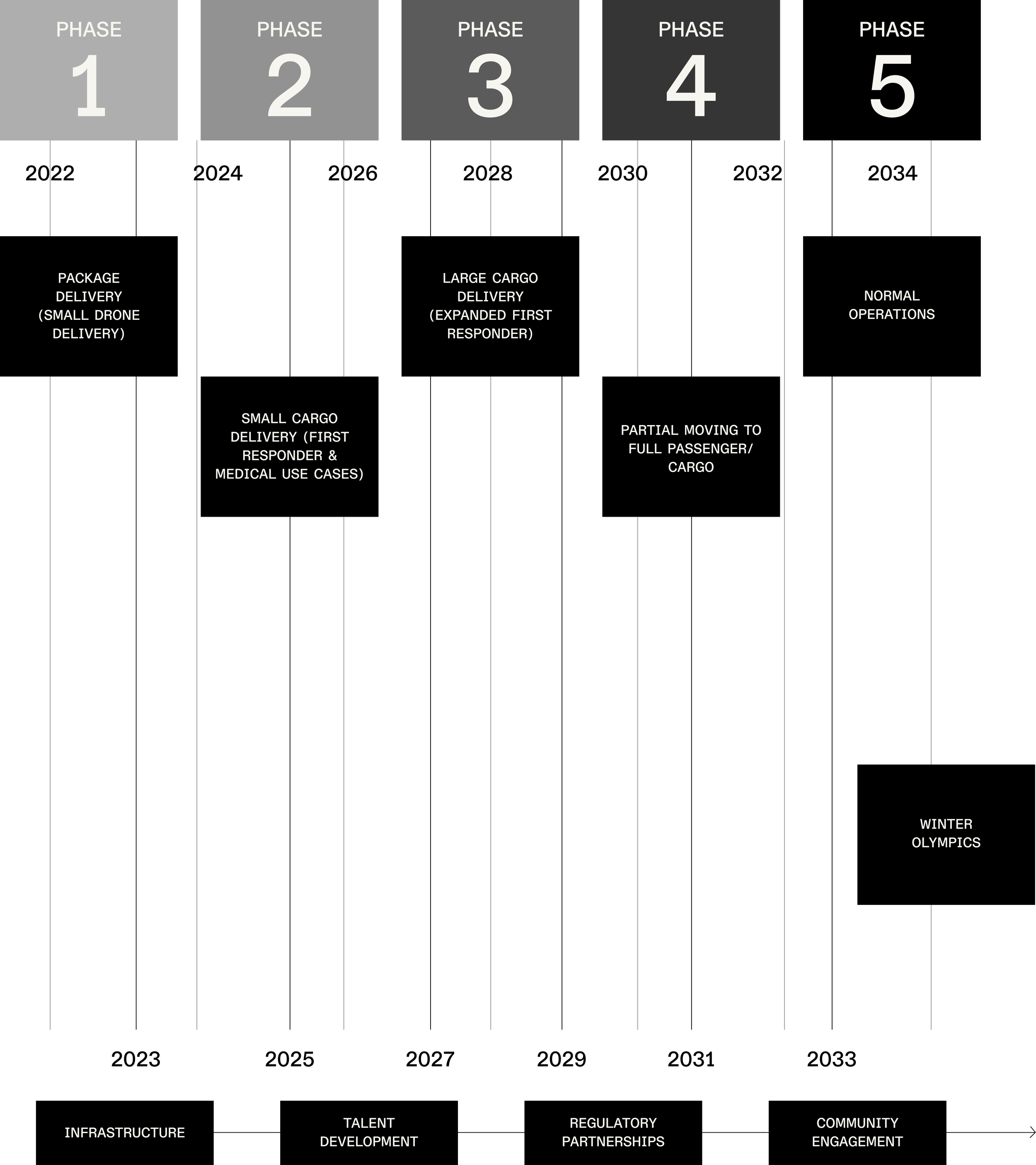
Five phases. One clear endpoint: full AAM operations across Utah in time for the 2034 Winter Olympic Games and beyond.
We’re currently on track. Utah’s first flight under this plan took off in August 2026, in a hybrid-electric aircraft flying Salt Lake City to Cedar City.
Read about the flight HERE ↗︎
Advanced Air Mobility is For Everyone
BENEFITS OF ADVANCED AIR MOBILITY
AAM is for everyone, not just those who can afford a helicopter. UDOT projects that as the technology scales, flying will cost about what a rideshare costs today, you’ll just go a lot farther. Instead of crossing town, you will have the ability to cross the entire state.
Community benefits:
Providing rural areas with new economic opportunities, convenient delivery and transportation options, and greater connectivity to urban areas
Improving healthcare outcomes for residents statewide, particularly in remote areas
Revitalizing small regional airports and their local communities
Improving cargo and package deliveries along and between logistics corridors
Providing visitors with new and exciting experiences while increasing tourism expenditures
Providing Utah industries with extraordinary new, low-cost efficiencies
Showcasing the State’s ingenuity for the 2034 Olympic and Paralympic Games by transporting athletes and visitors to Olympic sites
Safe by Design
Flying under current FAA rules.
Utah operates within existing regulations while feeding real flight data back to the FAA, the same evidence-based process that lets the agency refine its rules as the technology matures.
Battery technology is compounding.
Energy density is expected to grow by roughly a third every three years.
Built on existing airfields.
Many of these aircraft can take off and land at airports Utah already has, no new infrastructure is required.
Where a dedicated landing point is needed, its mobile vertiports may be implemented.
Charging infrastructure scales alongside it.
Charging runs on infrastructure already built in Utah’s electrical grid.
Built with Utah
FOR CITIES & MUNICIPALITIES
Readiness toolkits: Practical guides on what AAM operations will actually look like locally, so city leaders aren’t caught off guard when it arrives
Model ordinances: Pre-drafting zoning and land-use language municipalities can adapt, instead of writing new policies from scratch
A direct line to the state: Municipalities shaping local rules alongside the same team leading Utah’s federal AAM strategy
FOR SCHOOLS & STUDENTS
Curriculum: Partnerships with schools across Utah, building coursework around AAM and the broader aerospace industry
Workforce: Training the technicians, operators, and engineers this industry needs inside the state, instead of importing talent from AAM hubs elsewhere
Opportunity: In the next 20 years, Utah’s AAM industry is forecasted to create over 11,000 new full-time aerospace industry jobs.
Chosen to Lead
On March 10, 2026, the FAA named Utah one of just eight projects nationwide selected for its eVTOL Integration Pilot Program (eIPP), alongside Texas, Florida, Pennsylvania, and the Port Authority of New York and New Jersey.
Utah’s program, uFLY: America’s AAM Crossroads to the West, leads a five-state partnership with Oregon, Idaho, Arizona, and Oklahoma to safely bring advanced air mobility into the national airspace system.
“We’re not simply demonstrating what’s possible, we’re building the foundation for the future of advanced air mobility in Utah”
-UDOT Aeronautics Director Matt Maass
Latest News